
Mold Remediation Tips
Why Crawl Space Moisture Leads to Mold Growth in Colorado Homes
Published 2026-09-28 · By Colorado Springs Mold Remediation
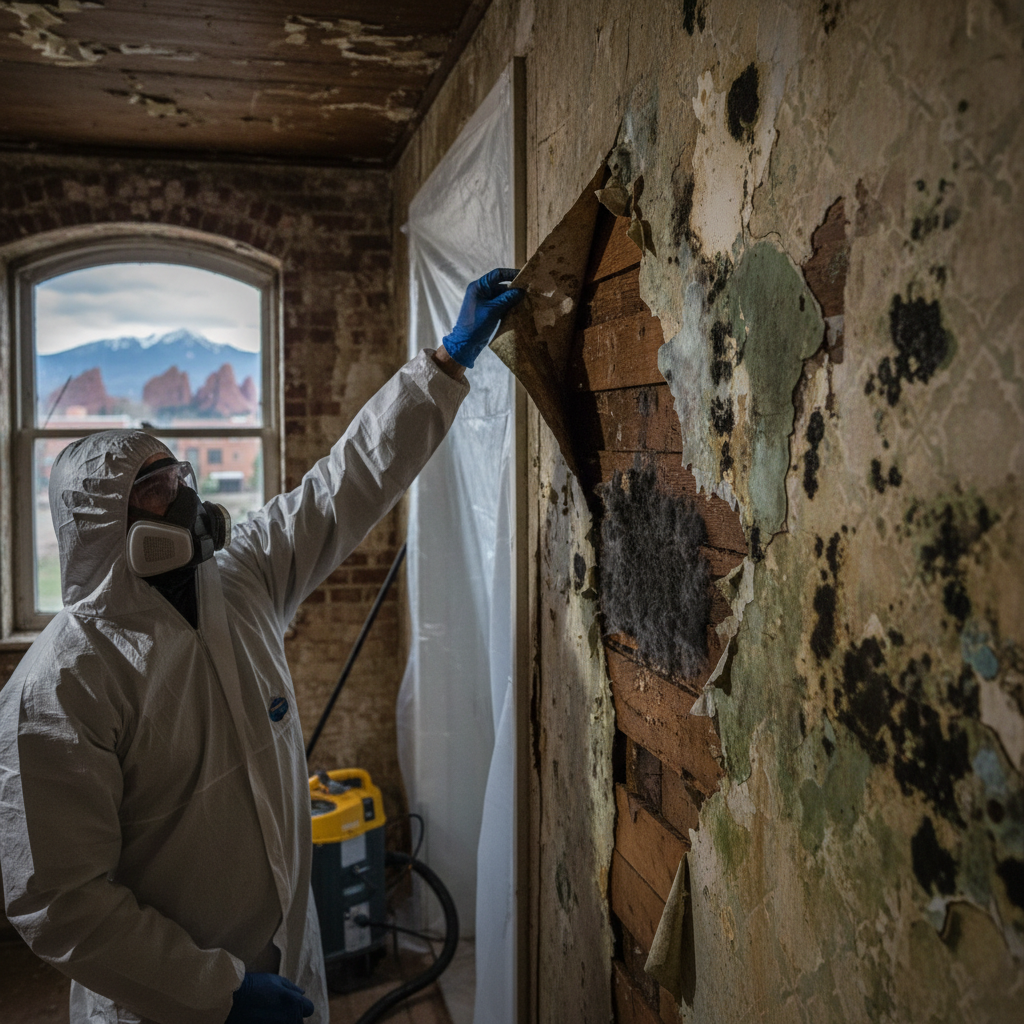
Crawl spaces are an essential part of many homes in Colorado Springs, especially in established neighborhoods like Old Colorado City and Downtown Colorado Springs. However, without proper ventilation and moisture control, these spaces can become breeding grounds for mold. In our semi-arid climate, rapid weather changes can lead to sudden moisture accumulation, making homeowners especially vulnerable to mold growth.
Moisture can enter crawl spaces through various means, including roof leaks, flooding, plumbing failures, and even seasonal moisture from thunderstorms. Given the characteristics of older homes in areas like Patty Jewett and Briargate, many crawl spaces are poorly designed for ventilation. As a result, water intrusion can occur, creating the perfect environment for mold spores to thrive.
Understanding Crawl Space Conditions in Colorado Springs
The unique environmental conditions of Colorado Springs significantly impact crawl space moisture levels. Our area experiences freezing temperatures in the winter months and heavy summer rain, contributing to fluctuating humidity levels. It's not just the climate that can lead to issues; different soil types prevalent around Pikes Peak Region can also retain moisture, which can infiltrate your home’s crawl space. Understanding these factors can help you identify potential mold growth sites before they spread.
Common sources of excess moisture include:
- Roof leaks: Aging roofs, particularly in older neighborhoods like Rockrimmon, can lead to water entering the crawl space.
- Plumbing leaks: Even minor leaks can contribute to significant moisture accumulation.
- Poor drainage: The terrain of neighborhoods such as Wolf Ranch can affect how rainwater drains from the house, leading to excess moisture.
- Seasonal weather patterns: Sudden summer thunderstorms are common and can overwhelm drainage systems, leading to temporary flooding.
Mold Growth Patterns Linked to Moisture
In our experience, mold growth often follows predictable patterns based on moisture presence. Mold spores can begin to grow within 24 to 48 hours of water exposure, especially under the right conditions like lack of ventilation and darkness typical of crawl spaces. A regular inspection of these areas, especially after significant weather events, is crucial for ensuring a healthy home environment. Ignoring signs of moisture can lead to serious mold issues that demand professional mold remediation.
We advise homeowners to look for indicators such as black streaks on walls, a musty odor, or visible mold growth. Once mold is established, it can deteriorate your home structure and affect your health, gaining urgency to address through professional mold removal methods.
Prevention and Remediation Strategies
To mitigate crawl space moisture and prevent mold growth, consider the following strategies:
- Install vapor barriers: Moisture barriers can shield the crawl space from water intrusion, significantly reducing humidity levels.
- Improve ventilation: Adding vents or fans can help circulate air and keep the environment drier.
- Regular inspections: Inspect crawl spaces regularly, especially after significant rain or snow melt. Promptly address any signs of moisture or potential leaks.
- Professional help: For existing mold issues, don't hesitate to contact us for specialized crawl space mold remediation tailored to Colorado Springs' unique housing conditions.
By addressing these issues head-on, you can protect your property from the long-term effects of mold growth while also maintaining a safe and healthy living environment for you and your family.